How Custom Sportswear Is Made: From Design Approval to Global Delivery
For a sportswear founder, custom teamwear moves through a controlled chain: product decisions, sample or specification approval, production release, inspection, packing, shipment, and arrival planning. Missing an early decision can create a costly correction after the garments are made.
The useful question is not simply “How fast can you make it?” It is “What must be agreed before each next stage can begin?” This buyer’s workflow explains the checkpoints that make custom sportswear more repeatable for a first collection and for a reorder.
Begin with a production brief, not only a design file
A design is one input to manufacturing; it is not the whole product. Define the sport, garment type, wearer, fit intent, size range, fabric direction, decoration, quantity, packaging, and target arrival date. A soccer match jersey, basketball set, and hockey shell may carry the same identity, but they do not ask the garment to move, layer, or wear in the same way.
Tonton Sportswear’s published custom route starts with sport and product selection, then moves through design, sizing, fabric, and application technique. For an own-brand buyer, that sequence is a reminder to connect the visual brief to a real specification. Recommend creating one shared brief with version-controlled artwork and color references. Do not ask a factory to infer missing details from a mood board or a low-resolution logo.
Design approval should lock the product decisions
Design approval is the point at which a concept becomes a controlled order reference. Review panel placement, logo scale, color placement, name and number rules, trim, collar, labels, and the chosen decoration method. If a logo will be printed, provide an authorized, production-ready file; Tonton’s service guidance specifically recommends vector artwork such as SVG for print quality.
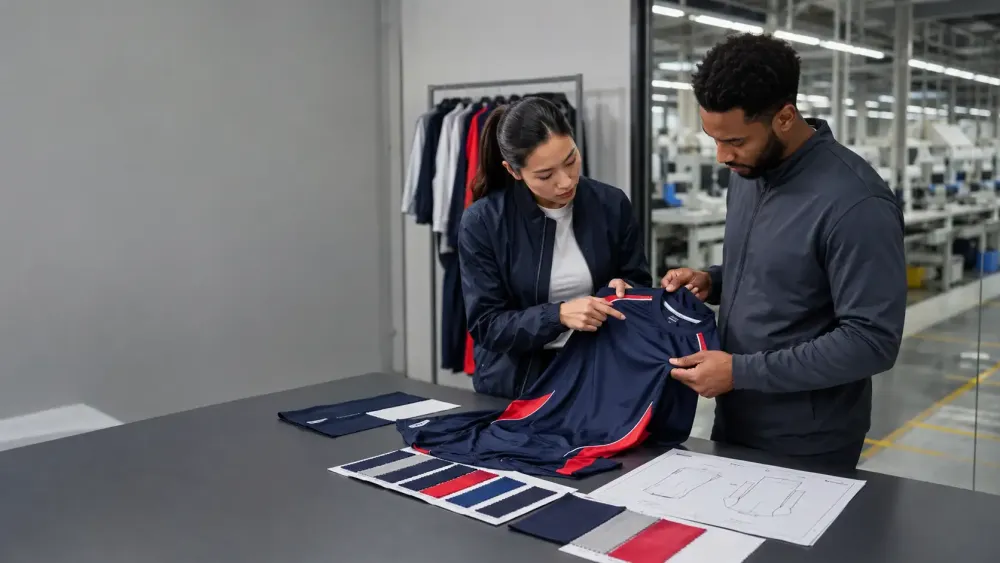
A digital mockup is valuable for visual direction, but it cannot prove fit, fabric hand, stitch construction, panel alignment, or how a color appears on the selected base material. Across Tonton’s 22 years of manufacturing and export experience, the practical protection is a written approval record that names the artwork version and the product choices it releases. Recommend a physical sample when the fit, construction, color, or decoration is new. Do not release bulk production from a mockup alone.
Sampling turns assumptions into checks
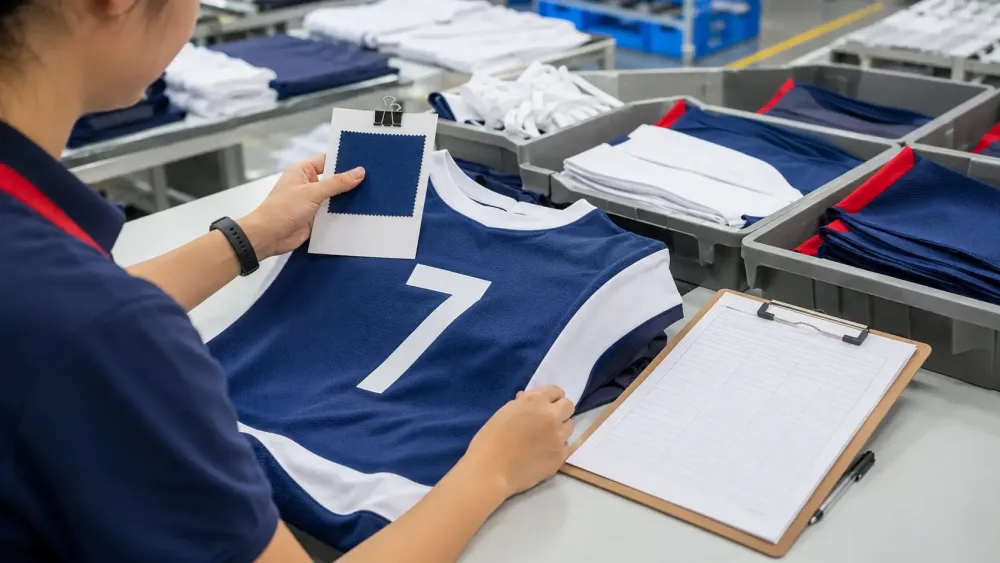
A sample is where the buyer checks whether the specification works on a real garment. Soccer may require checks for number visibility, panel placement, and goalkeeper differentiation; basketball may require checks for armhole finish, jersey-to-short proportion, and shoulder movement. The principle stays the same: approve actual construction, not only artwork.
Record measurements, size grading, fabric, color standard, decoration map, trim, labels, packing, and approved changes in one master file. Tonton’s service page recommends a physical sample when fit is uncertain; use it to decide what is frozen and what needs revision.
Production starts after a controlled release
Bulk production should begin with a clean release package: final artwork, approved sample or specification, quantity and size breakdown, roster if personalization is required, packing instructions, and written authorization. Tonton states in its custom workflow that manufacturing begins after final written approval and authorization. That is a useful real procurement constraint, not administrative clutter: it creates a single point at which the factory and buyer agree what will be made.
Once cutting, printing, sewing, or decoration preparation is underway, a color, logo, or name-list change can affect more than one garment. Keep one named owner for the final file set. Do not send production changes through disconnected chats, screenshots, or competing spreadsheets.
Quality control depends on the approved reference
Quality control compares work against an approved reference. Inspectors can check construction, decoration placement, color consistency, personalization, size assortment, and packing, but the result is only as reliable as the buyer’s artwork, roster, measurement chart, and packing instructions.
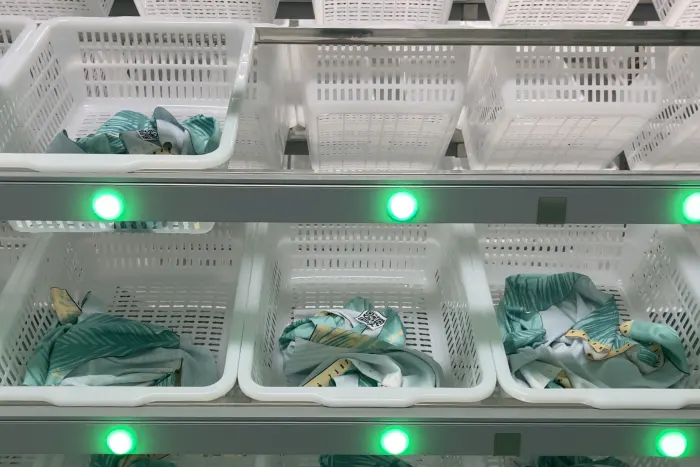
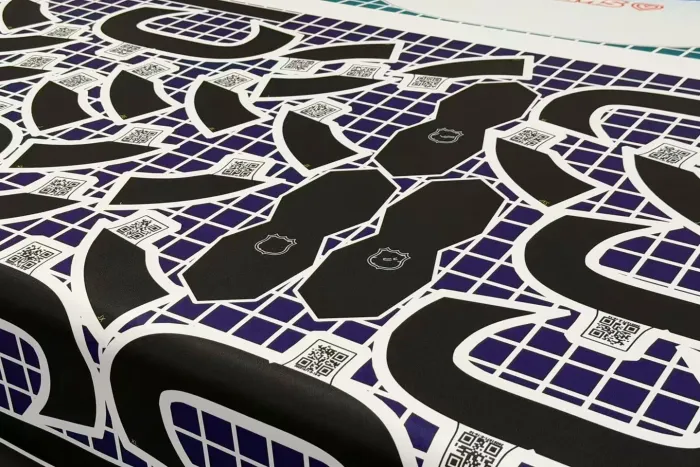
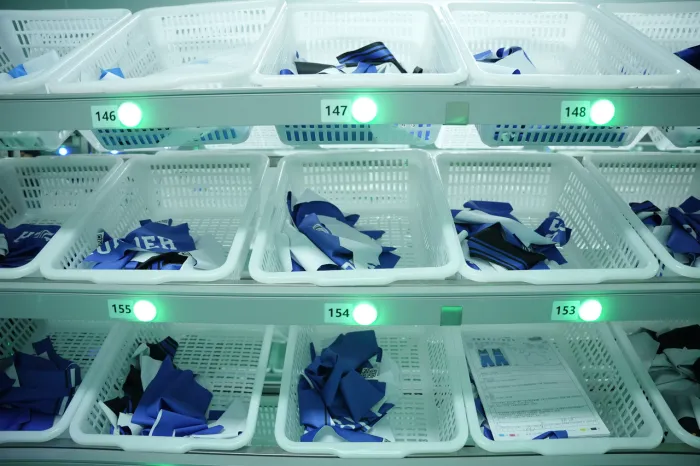
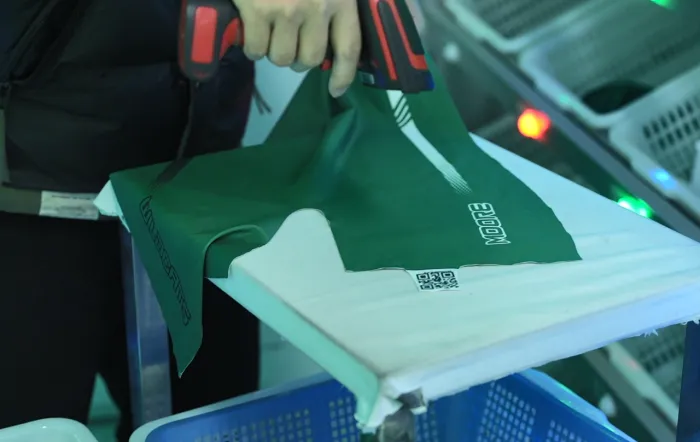
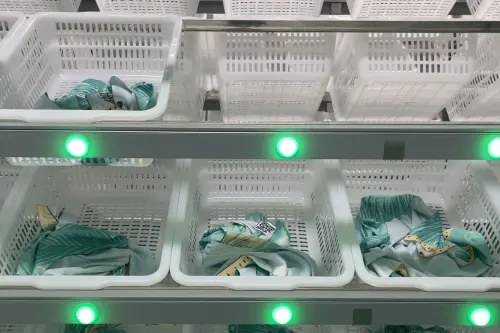
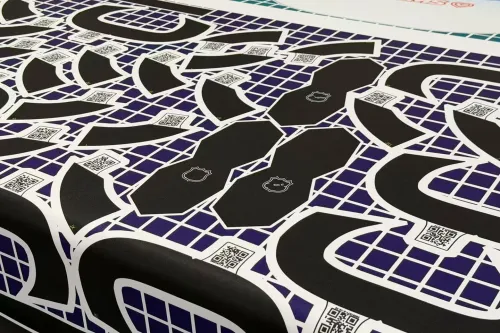
Tonton Sportswear states that its smart-manufacturing system uses QR-code tracking and unique digital identifiers through production. The buyer value is traceability: a controlled record can help locate the correct order, roster, and approved version at inspection and sorting. It is not a substitute for disciplined inputs. Recommend freezing the approved artwork, color, trim, sizing, and roster convention before production. Do not treat digital tracking as a guarantee that an incomplete or changing brief will correct itself.
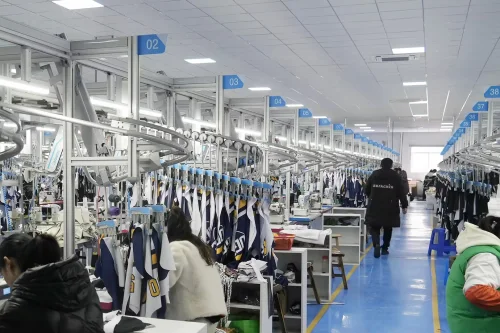
Tonton’s home page also describes 5,000+ daily capacity. Treat that as factory-scale context, not a project date; the actual schedule depends on complexity, approvals, loading, packing, freight, customs where applicable, and delivery.
Global delivery begins before production ends
Production completion is not the same as delivery. After garments are made, the order may still need final inspection, packing, dispatch, line-haul or express transport, customs processing where relevant, local delivery, and receiving checks. A match date or launch date is an arrival deadline, so plan backward from it instead of counting only the factory production window.
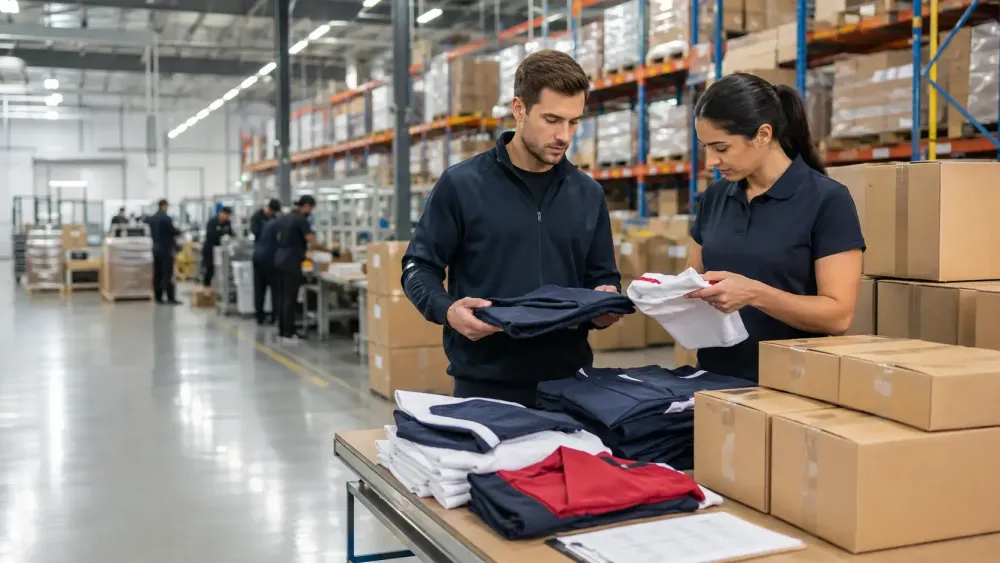
Packing is part of this delivery control: confirm folding, player or size grouping, labels, carton counts, and the packing list before dispatch. Tonton describes global express logistics on its website, but the route, documents, destination, and timing must be confirmed for the project. Recommend separate milestones for design approval, sample approval, production release, factory-ready date, shipment, and arrival; do not promise a delivery date from a general website lead-time statement.
Keep the records that make the next order easier
The end of the first shipment should create a reorder system. Retain approved artwork, color references, measurement chart, fabric and trim details, decoration map, sample comments, roster rules, packing instructions, and shipment record. Reconfirm variables that can change, but do not rebuild stable product knowledge from scratch.
That discipline is one reason 22 years of manufacturing and export experience matters in practice: the first order is only one test of the system. A usable record protects continuity when a club adds players, a retailer replenishes a style, or a brand expands a proven collection.
For an OEM or own-brand project, you can review Tonton’s custom sportswear development process.
Conclusion: buy the release process, not only the garment
Custom sportswear is made through connected decisions. The buyer provides a clear brief, approves a usable product reference, controls changes, verifies packing, and plans arrival separately from production. The manufacturer turns those inputs into visible checkpoints.
If the order is complex, spend more time before production—not after it. The strongest custom programs protect the sample, specification, roster, and packing record so the next delivery can be more predictable than the first.
Frequently Asked Questions About Custom Sportswear Manufacturing
1. Is a design mockup enough to start custom sportswear production?
No. A mockup confirms visual direction, while a written specification and, when needed, a physical sample help confirm fit, fabric, construction, color, and decoration placement. Bulk production should follow the agreed release process.
2. What should be included in a final production approval?
Include the approved artwork version, garment specification, size breakdown, quantity, color reference, decoration method, roster where applicable, packing instructions, and written authorization to proceed.
3. Why are roster and artwork version controls important?
They give production and quality teams one correct reference for names, numbers, logos, and sizes. Without a controlled master file, even a good inspection process can be checking against outdated information.
4. Does a factory’s capacity tell me when my order will arrive?
No. Capacity provides context, but arrival also depends on the product, approvals, current loading, packing, shipment route, customs where applicable, and local delivery. Confirm a project-specific plan.
5. What records should I keep for a custom sportswear reorder?
Keep approved artwork, color references, measurement chart, materials, trim, decoration map, sample notes, roster convention, packing instructions, and shipment record. Reconfirm variables that can change before every repeat order.